THE CONFLICT OF THE MINES OF SALAU

Introduction to the conflict

We’re on the border between France and Spain in the middle of the Central Pyrenees, inside the Alt Pirineu Natural Park (PNAP). The conflict we’re facing is one of mines reopening and expansion of the local mining industry. Mining in this region targets tungsten and gold, abundant in the scheelite alongside the faults in the area. If the project were to be completed, it would be a great threat to the valuable local ecosystem and the tourism which exists around it. It would also pose a threat to the natural, cultural and social heritage, affecting the local economy and the local community.When geologists started mapping the Couseran’s region in the Pyrenees, in the 1870’s, they noted the presence of amphiboles and arsenopyrite. Ninety years later, geologists from the Bureau of Geological and Mining Research in France (BRGM) started investigating and sampling in the region.¹ In 1965 the Anglade Mining Company was created with Saudi Arabian and Venezuelan capital. Different international companies became investors, such as Charter (ENG),  Shell (NL) and Billington (USA).

In 1971 mining started in the region and most of the extracted tungsten and gold minerals were sold to Russia. Twelve years later, trade with Russia stopped. Investors tried to start trading with American companies, but the U.S. rejected the French minerals because they failed to achieve the demanded standards, even after efforts had been made by opening a new refining plant in Sète (France) to extract the phosphorus, present after the refining process in the Salau plant.

In 1986 the mining in Salau supposedly ceased its activity because of economic infeasibility due to the price drop produced by Chinese dumping, but unlike other tungsten plants, it was never reopened. According to the local community, the closure of the mine was in big part due to the health risk posed by the actinolite (a type of asbestos) present in the galleries. ¹

In 2016 Apollo Minerals, an Australian mining company, started the process to explore the area around the old Salau mines, in this case on either side of the French-Spanish border. Later, in 2017, Apollo Minerals acquired the rights to exploit the mines on the French side of the Salau pass. In the Completion of Couflens Tungsten-Copper-Gold Project Acquisition report the company stated:

“In accordance with the terms of the Share Sale Agreement dated 10 March 2017, Apollo Minerals has acquired Ariege Tungstene SAS (“Ariege”), which holds an 80% interest in Mines du Salat SAS (“MdS”).”

This operation was completed for $ 200,000 cash, 15,000,000 € in Apollo Minerals shares, plus 65,000,000€ performance shares depending on productivity and other variables.

Geology and mining potential

While the mine was running from April 1971 to November 1986, it reported to have produced approximately 930,000 tonnes of ore at an average grade of 1.5% WO3 to yield approximately 11,500 tonnes of WO3 in concentrate. In the later years production grades were 2.0 to 2.5% WO3, which made it the highest production rate in the world.² After some investigation, Apollo minerals prospected the following extraction grades for Couflens (France), where known rates were available from previous mining,  and Aurenere (Spain) where rock samples were taken from the site; as shown in the following figures.

Salau Geology - Couflens Tungsten and Gold targets. By Apollo Minerals Limited
https://apollominerals.com/projects/couflens-project-france/

Figure 1. Salau Geology – Couflens Tungsten and Gold targets. By Apollo Minerals Limited

Aurenere Prospect - Geology and Rock Chip Sampling Results. By Apollo Minerals limited.
https://apollominerals.com/wp-content/uploads/2018/11/180327-High-Grade-Gold-Sampling-Results-from-Aurenere.pdf

Figure 2. Aurenere Prospect – Geology and Rock Chip Sampling Results. By Apollo Minerals limited.

Click to access 180327-High-Grade-Gold-Sampling-Results-from-Aurenere.pdf

Note the extremely high extraction rates for tungsten in both projects, 8,25% WO3 for Couflens, and 5,49% WO3 for Aurenere. Gold rates as high as 33.90 g/t gold with 2.03% WO3 associated and 24.50 g/t gold with 1,21 % WO3 in Couflens. Copper on either side gets as high as 0,90%.

Local opposition to the mine

The aim of this article is not only to describe or analyze opposition to the Salau mining project, rather to find a root cause behind it which can be then be extrapolated and applied to similar situations. Therefore, it is interesting to discuss this conflict in particular, since it provides insights in how two local communities interact with a mining corporation and, in this case, two separate governments.

There’s two main platforms which aim at stopping any and all mining activity in the Salau region. Salvem Salau on the Catalan side of the border (Aurenere project) and Stop Mine-Salau on the French side (Couflens project). Their respective websites (to be found in the annex) provide the reasoning behind this opposition, whilst Salvem Salau provides the formal allegations that were used to avoid a favourable verdict on the first Environmental Impact study, carried out by Apollo Minerals.

Both platforms, as well as the formal allegations, focus on the potential environmental impact the mine would have. The geological study was not carried out well, and possible infiltration through joints and faults was ignored. The impact on local flora and fauna is also dismissed.

Stop Mine-Salau focuses on the previously mentioned presence of asbestos in the galleries, while also putting great emphasis on pollution caused by the previous mining operation, which hasn’t been properly treated. It briefly touches upon how financing comes from an investment firm located in a tax haven.

Salvem Salau  mentions the intangible value of well preserved nature, and how protected areas should be effective in dissuading unsustainable activities. It also calls out the false promise of job creation, as Apollo Minerals promises a highly mechanized mine, with jobs that do exist being high-skill and, therefore, probably not accessible for the local inhabitants. The mine would also have a negative impact on tourism, which would lead to a further loss of jobs.

PN Alt Pirineu and Tungsten. Conflict of EU interests

Spain is the European country with the largest surface dedicated to the Natura 2000 Network, due to its great biodiversity, unique habitats and species. Catalonia represents 30% of this area with a total protected surface of 9.772,24 km2³, while its 32.107km2 represent only 6% of the total land area of Spain⁴. Furthermore, it’s the second largest Autonomous Community by population with 7.516.544 people (2018), and the 6th in population density (234 Hab/km2). This last number goes down to 4th, if we don’t count Ceuta and Melilla.⁵ These conditions mean there is a notable anthropic pressure on the valuable ecosystems contained inside the Natura 2000 network.

In our case of study we find a conflict of interests on a European level. The placement of the prospected mining project is located inside the Alt Pirineu Natural Park (PNAP). This natural park is part of the LIFE project, which in its current 2013/2020 funding period has a budget of 3.4 billion €⁶. One of the many projects started by LIFE is “Piros LIFE” a conservation project that began in 1996 with the objective to reintroduce and preserve the brown bear in the Pyrenees. Piros LIFE spends 200.000 € on conflict administration and had a budget of 2.5 million € by 2017⁷.

The Noguera Pallaresa valley, where the mine is ought to be build, is one of the most frequented valleys for the brown bear population⁸ , while the Salau pass is  the easiest way for the bears to cross the border in the Central Pyrenees, which is important to facilitate genetic diversification of the bear population⁹. According to data extracted from de Generalitat de Catalunya, 314.000 people visited the PNAP in 2017¹⁰, putting significant pressure on the bears, although efforts to prevent contact with humans are already in action⁸. If the mine was to be build, it would complicate the coexistence with the bears, and other endangered species inside the Natural Park.

This is in contradiction with European interest for tungsten, which is expected to be mined  -alongside gold- on the Salau site and included in the list of strategic minerals, metals and other materials elaborated by the EU¹¹. These are considered critical due to possible supply shortages and low substitutability, as with new technologies they are being used more often. Another important factor is the risk of monopoly of extraction by certain countries. For instance, China is the main extractor of elements such as Magnesium (86%), Tungsten(85%), or Rare Earth Elements (87-99%)¹².  

Local to national: precious metal mining in Spain

When considering the possibility of mining in the Parc Natural de l’Alt Pirineu, one fact easily overlooked is its rich history of mining- especially iron ore in the contiguous Vall Ferrera¹³. This holds true not only for this region, but for the whole country. Mining in Spain goes back to pre-roman times, while the Roman invasion was in part motivated by the rich mineral resources the country had¹⁴. It was with the Industrial Revolution that mining in Spain became an economic activity of major significance, becoming Europe’s largest producer of copper, lead, iron and mercury ores¹⁵. However, globalization has caused the gradual retreat of mining in Spain, like in most of Europe, with cheaper options in Asia, Africa and the rest of the Global South putting pressure on the sector¹⁶.

As discussed in the previous section, the EU has a major interest in mining new materials. This is causing a bit of a mining renaissance in certain countries. The Apollo Minerals mining project in Salau is among the new projects popping up around Europe. In Spain, there’s around 20 metal mining projects for materials included in the EU list¹⁷. In the province of Lleida alone there’s at least two other new mining projects: one near the Montcortés lake looking to extract Cobalt¹⁸ and another in the Noguera region, with Gold being the sought-after metal¹⁹. The first project is in an area of high geologic and environmental interest and, as such, it has faced opposition from both the local community and regional ecologists. Meanwhile, the second project has obtained its exploration permits without allegations²⁰.

This poses the question whether opposition to mining in Spain is a matter of nimbyism²¹. The argument can be made that the problem is not the mining per se but rather the fact that permits are being requested in areas of particular biological or ecological interest.

In a 2014 survey on Social perception of Science and Technology²², when asked in which direction Spain should seek economic growth in the coming years, respondents put mining in penultimate place, only in front of shipyards, an area with a future that looks bleak²³. Evidence suggests that regions in which mining has previously played a major social and economic role are more likely to accept the reopening of mines or the creation of new ones in nearby areas²⁴. However, even in these situations some environmental organizations are making sure their voice is heard, trying to avoid disasters like the one in Aznalcóllar in 1998²⁵.

It looks like Spanish citizens are voting with their wallets. Even if consensus seems to be that we are against mining, consumption of goods that use the critical materials the EU defines is ever increasing. In the last few decades this was solved by importing from the Global South and China since, at the end of the day, the poor sell cheap. Nowadays, the EU is pushing for mines to be opened within its own borders, while self imposed exporting limitations in China²⁶ are driving prices up, making it a business profitable enough for mining companies like Neometal Spania or W Resources²⁷, among others²⁸, to pop up and explore options within Spain.

As long as the situation stays similar, opposition to local mining makes little sense. There is geopolitical pressure to self-supply, and liberal policy makes it easy for companies to try to profit off this pressure. That is not to say that protecting the environment in certain situations is not justified, on the contrary, but a broader vision is needed to truly comprehend the scope of the mining conflict. In the next section we discuss opposition to mining around the globe, how local conflicts define a tense situation caused, one way or another, by mass consumption of these metals and minerals by our society.

Global scale: opposition to mining around the world

The task of finding a relationship between mining and social conflicts is not a hard one. News about mining victims (especially in the Global South) is easily encountered. In February 2019 22 were found dead in a Zimbabwe gold mine²⁹. Another 17 died in a Ukranian coal mine in April 2019³⁰, while up to 54 went missing in a Myanmar jade mine³¹. All these victims are proof of an underlying problem with current mining, which is risk. Workers are aware of this, and social movements are arising.

Take for instance the case of Congo. Since 2012 the system known as “bag&tag” has been in place³². The idea behind it is that tags are made available to mines which are certified “conflict-free”. That is to say, mines which aren’t financing the armed conflict in the country. the effectiveness of this measure has been been questioned, as can be seen in Laura Kasinof’s “An ugly truth behind ethical consumerism”³³ in which mines are visited to expose the reality of the situation. Congo sits on the planet’s largest reserves of Cobalt and Coltan, among other minerals worth trillions of dollars. Its government, before elections in January 2019, had recently applied taxes and royalties to its exports, which was unsettling international corporations³⁴. Social uproar against the former president by miners was in instances countered with violence³⁵, denoting the instability of the situation.

Other regions of the world have also experienced social movements against mining.  For instance, Guatemala’s anti-mining movement, the effectiveness of which is analyzed by Kalowatie Deonadan³⁶, who notes criminalization of the protesters and racism against indigenous communities. Another example would be the glocal environmental movement against gold mining in Pascua-Lama in Chile, where, as described by Leire Urkidi³⁷, policy changes have increased interest in opening new quarries. The most notable case would be that of El Salvador, where, according to Spalding, R.J.³⁸, social movements were responsible for the developments that eventually lead to the country banning metal mining altogether in 2017³⁹.

It should be noted that a pro mining movement also exists. It is based on (rightfully) identifying NIMBY protests against mining in the Western world. To quote Dr. Nield from The Geological Society (2013):

“Everybody wants energy, as much of it as possible, and cheap. And nobody want it to be generated -or its feedstocks extracted- by any method whatever, anywhere at all, and certainly not near where they live- unless they become rich in the process, in which case it’s fine, because they can move somewhere else.”

One notable example of this would be the hills of Plymouth, where a pre-existing  tin and tungsten mine that had recently reopened went bankrupt in 2018 in big part due to not being able to run overnight or during weekends, as local inhabitants complained about noise and dust. As Liam Hardy from MiningIR notes⁴⁰ the Western citizen is not well informed about modern mining techniques, as mining has become a taboo subject when it is not happening in Zimbabwe or Thailand. He continues to say those that are against mining near their homes are the ones buying new cars, phones and disposable goods which require the metals that were to be mined in the first place.

CONCLUSION

Throughout the article we’ve hinted at an underlying social problem being the cause of conflicts around mining. Our world is on a track laid down by globalization and neoliberalism. Capital is our conductor, we are the passengers. All is governed by supply and demand, demand of rare minerals and metals, to be mined wherever they are available, to be supplied by companies who can profit off it. If a project like Salau is proposed, if clandestine cobalt mines in Congo are being exploited, if China applies limits to its metal exports it is all because we, as consumers, are demanding these materials. The argument can be made that it is the corporations who are inciting us to buy their products, but consumerism in and of itself is citizens purchasing material goods.

Recycling could be a (transient) solution. Nowadays, around 34 % of Tungsten is secondary⁴¹, that is to say, coming from scraps and used parts. This number could increase, but recycling is still a resource and energy intensive activity which doesn’t satisfy the premise of conservation of the planet. We might save a Natural Park such as in Salau, or an interesting lake such as in Montcortés, but pollution related to the industry will still prevail. However, efforts should be made to encourage recycling of existing metals over new extraction, as mining in itself can also have terrible ecological consequences when accidents occur. (A solution to the accident problem is discussed by David A. Wisebach, who considers precautionary Pigouvian taxation⁴²)

At the end of the day, we believe a solution has to consist of an overall reduction of consumption of goods and services, as it is the only realistic way of reducing the impact of not only mining, but the footprint of our society as a whole. This article has been written on several different computers and consulted on smartphones and tablets. We understand the need to move from words to action, to commit to the cause and to make the sacrifices we call for. Step one is to be aware of the problem. Step two is to raise others’ awareness. In short, as John Bellamy Foster puts it, we have “the need to transform the human relation to nature and the constitution of society at its roots”.

Further reading

World availability of Tungsten

Local Geology:

  • Geological Study for tungsten extraction in the mines of Salau.

1. Fonteilles M., Soler P., Demange M., & Derré C., 1989; The Scheelite Skarn Deposit of Salau (Ariège, French Pyrenees), Economic Geology, Vol 84, pp 1172 – 1209

Allegations against mining in Salau

Social Movements against mining:

  • Bebbington, Anthony James and Bury, Jeffrey and Humphreys Bebbington, Denise and Lingan, Jeannet and Muñoz, Juan Pablo and Scurrah, Martin, Mining and Social Movements: Struggles over Livelihood and Rural Territorial Development in the Andes (April 2008). Brooks World Poverty Institute Working Paper No. 33.
  • Supee Samorna, Social Movements against Gold Mining, Procedia – Social and Behavioral Sciences, Volume 88, 2013, Pages 299-305, ISSN 1877-0428
  • Martin, Brian. The Australian anti-uranium movement: Published in Alternatives: Perspectives on Society and Environment, Volume 10, Number 4, Summer 1982, pp. 26-35,

References

  1. Timeline of the Salau mining progress. https://www.stopminesalau.com/informations/historique/
  2. Recent financial activity around the mining prospections. And geological assesment. http://www.apollominerals.com.au/wp-content/uploads/2017/07/170703-Couflens-Project-Acquisition-Completion-Final.pdf
  3. Piros life project in the spanish Pyrenees. https://piroslife.cat/es/el-proyecto/
  4. Land area of Catalonia. https://web.gencat.cat/es/temes/catalunya/coneixer/territori-poblacio/
  5. Population density in Spain’s Comunidades autònomas in 2018. https://datosmacro.expansion.com/demografia/poblacion/espana-comunidades-autonomas
  6. Financial aspects of the european LIFE projects https://ec.europa.eu/easme/en/section/life/life-contract-financial-aspects
  7. Budget of Piros LIFE, the conservation project for the brown bear in the Pyrenees. https://piroslife.cat/goiat-el-nou-os-bru-eslove-que-sha-alliberat-als-pirineus-centrals/
  8. Economic aspects around the conservation of the brown bear in the Pyrenees, includes distribution map https://piroslife.cat/es/la-generalitat-delimita-la-zona-con-presencia-permanente-de-oso-donde-concentrara-el-esfuerzo-de-prevencion/
  9. Reproduction and demography of the brown bear population. https://piroslife.cat/es/el-oso-pardo/distribucion-y-demografia/
  10. Tourism in the Natural Park of the High Pyrenees (PNAP). http://parcsnaturals.gencat.cat/es/detalls/Noticia/25_01_2018_El-Parc-Natural-de-lAlt-Pirineu-arriba-als-314.000-visitants-anuals
  11. List of 14 Critical raw materials. https://eur-lex.europa.eu/legal-content/EN/TXT/?uri=CELEX:52011DC0025
  12. Map with countries extracting most of modern materials and metals. Part of the 2015 Report on the Spanish mining renaissance. Chapter 3: The Wolfram War https://elpais.com/especiales/2015/vuelta-a-la-mina/la-nueva-guerra-del-wolframio/#wrapper
  13. Condensed history of iron mining in the Vall Ferrera (in catalan) http://mondelaforja.cat/la-forja-al-mon/vall-ferrera/
  14. “Rome’s first interest in Hispania was related to its mineral resources” (in Spanish) https://es.wikipedia.org/wiki/Econom%C3%ADa_en_la_Hispania_romana#Miner%C3%ADa
  15. “In 1877 Spain was the first country in the production of lead, iron, copper and (…) mercury ores” http://ordorenascendi.blogspot.com/2012/06/mineria-espanola-en-el-siglo-xix-i.html
  16. End of Carbon Mining in Spain https://www.eleconomista.es/economia/noticias/9599674/12/18/Espana-se-despide-de-la-mineria-del-carbon-tras-dos-siglos-de-actividad.html
  17. 2015 Report on the mining renaissance in Spain. Chapter 1: Riotinto Rebirth https://elpais.com/especiales/2015/vuelta-a-la-mina/#wrapper
  18. “Company seeking mining grant near the Montcortés lake” https://www.naciodigital.cat/pallarsdigital/noticia/10110/empresa/sollicita/permisos/investigacio/minera/prop/estany/montcortes
  19. New gold mine in the Noguera region: https://www.segre.com/es/noticias/comarcas/2018/11/24/una_firma_aragonesa_tramita_permisos_para_buscar_oro_otros_minerales_la_noguera_61728_1091.html
  20. Noguera gold mine permit (BOE June 26th 2018): https://www.boe.es/diario_boe/txt.php?id=BOE-B-2018-34912
  21. Definition of NIMBY:                 https://www.britannica.com/topic/Not-in-My-Backyard-Phenomenon
  22. 2014 Survey Results on Social perception of Science and Technology, carried out by the Fundacón Española para la Ciencia y la Tecnloogía https://icono.fecyt.es/sites/default/files/filepublicaciones/18/resultados_generales_epscyt_2014.pdf
  23. Shipyard La Naval starts closing: https://www.abc.es/espana/pais-vasco/abci-direccion-naval-inicia-proceso-para-despedir-plantilla-y-cerrar-astillero-201810101656_noticia.html
  24. 2015 Report on the mining renaissance in Spain. Chapter 2: Metal Fever https://elpais.com/especiales/2015/vuelta-a-la-mina/la-fiebre-metalica/#wrapper
  25. Doñana disaster: mining dam burst causes environmental disaster https://en.wikipedia.org/wiki/Do%C3%B1ana_disaster
  26. China cutting rare earth output, unnerving global manufacturers: https://www.reuters.com/article/us-china-rareearths/china-cutting-rare-earth-output-unnerving-global-manufacturers-idUSKCN1MY2GZ
  27. Company with Tungsten, Gold and Copper mining projects in Spain and Portugal https://wresources.com/
  28. Tungsten mining companies in Spain, UK, Portugal https://investingnews.com/daily/resource-investing/critical-metals-investing/tungsten-investing/tungsten-in-europe/
  29. 22 dead gold miners in Zimbabwe https://www.theepochtimes.com/22-illegal-gold-miners-found-dead-9-alive-in-zimbabwean-mine_2804231.html
  30. 17 dead in mining accident in Eastern Ukraine https://www.kyivpost.com/ukraine-politics/rfe-rl-death-toll-raised-to-17-at-separatist-controlled-mine-in-eastern-ukraine.html
  31. 3 dead 54 missing Myanmar mining accident https://www.mmtimes.com/news/3-dead-many-54-missing-mining-accident.html
  32. Conflict free tags to revive Congo minerals trade https://www.reuters.com/article/us-congo-democratic-mining/conflict-free-tags-help-revive-congo-minerals-trade-idUSBRE8A70PG20121108
  33. Washington Post report: An ugly truth behind ethical consumerism” https://www.washingtonpost.com/news/theworldpost/wp/2018/04/19/conflict-free/?noredirect=on&utm_term=.6e87f550a9fe
  34. Mining world watches as congo votes its next leader: http://www.mining.com/web/mining-world-watches-congo-counts-votes-next-leader/
  35. Anti government protests end with 35 injured, 8 dead http://www.mining.com/eight-dead-35-injured-in-congo-mining-hub-amid-anti-govt-protests/
  36. Kalowatie Deonandan (2015) Evaluating the effectiveness of the anti-mining movement in Guatemala: the role of political opportunities and message framing, Canadian Journal of Latin American and Caribbean Studies / Revue canadienne des études latino-américaines et caraïbes, 40:1, 27-47
  37. Leire Urkidi, A glocal environmental movement against gold mining: Pascua–Lama in Chile, Ecological Economics, Volume 70, Issue 2, 2010, Pages 219-227, ISSN 0921-8009
  38. Spalding, R. J. (2018). From the Streets to the Chamber: Social Movements and the Mining Ban in El Salvador. European Review of Latin American and Caribbean Studies, (106), 49–76
  39. El Salvador prizes water of gold; bans all metal mining https://www.nytimes.com/2017/03/29/world/americas/el-salvador-prizing-water-over-gold-bans-all-metal-mining.html
  40. The fourth largest tin-tungsten deposit in the world sits silent in the countryside near Plymouth https://miningir.com/a-very-english-mess-the-wolf-stops-howling-at-hemerdon/
  41. A. Shemi, A. Magumise, S. Ndlovu, N. Sacks, Recycling of tungsten carbide scrap metal: A review of recycling methods and future prospects, Minerals Engineering, Volume 122, 2018, Pages 195-205, ISSN 0892-6875, https://doi.org/10.1016/j.mineng.2018.03.036.

42. Weisbach, David, Should Environmental Taxes Be Precautionary? (February 2, 2012). University of Chicago Institute for Law & Economics Olin Research Paper No. 601. Available at SSRN: https://ssrn.com/abstract=2072698 or http://dx.doi.org/10.2139/ssrn.2072698

ATMOSPHERIC POLLUTION

Què és la contaminació atmosfèrica?

El terme “contaminació atmosfèrica” ​​fa referència a fenòmens en l’atmosfera que ocasionen danys, directament o indirectament, a la salut humana, als animals, a les plantes o als materials. Atès que l’aire és el recurs natural que necessita d’una manera més immediata, els fenòmens de contaminació atmosfèrica tenen una enorme transcendència.

La perillositat d’aquests fenòmens explica la necessitat d’un control estricte de les emissions substàncies que poden ser responsables dels mateixos, els nivells en el medi ambient atmosfèric, i la vigilància de la seva evolució en l’entorn.

Quina és la qualitat de l’aire a Barcelona? Quins són els focus de contaminació?

La contaminació atmosfèrica és una epidèmia invisible que causa: 3500 morts prematures només a l’Àrea Metropolitana de Barcelona, diversos tipus de càncer, infarts, asma, al·lèrgies i malalties neurològiques.

Catalunya supera els valors indicats per l’Organització Mundial de la Salut (OMS) i incompleix la normativa europea.

La principal font de contaminació a les ciutats és el trànsit motoritzat de vehicles. Li segueix la fort activitat industrial i el trànsit marítim i aeri. Només el 23% dels desplaçaments diaris a la ciutat es realitzen amb cotxe i, en canvi, el vehicle privat ocupa més de la meitat de l’espai públic.

Quins són els principals contaminants atmosfèrics?

La contaminació generada a les àrees metropolitanes especialment a l’àrea de Barcelona, s’estén a tot el territori català, arribant a zones allunyades rurals en forma d’ozó troposfèric (ozó “dolent”).

Els contaminants més problemàtics són les partícules en suspensió (PM10 i PM2,5), el diòxid de nitrogen, l’ozó troposfèric i el Diòxid de sofre (SO2).

PM: Poden penetrar i allotjar-se a l’interior profund dels pulmons i arribar a la sang. L’exposició crònica a les partícules agreuja el risc de desenvolupar cardiopaties i neumopatías, així com càncer de pulmó.a més de la meitat de l’espai públic.

O3: Potent oxidant que provoca danys en els pulmons i l’increment de la mortalitat per afeccions respiratòries. Afecta greument a l’agricultura i els ecosistemes, i és un dels gasos que causen l’efecte hivernacle.

NO2: Augmenta el risc de diferents afeccions pulmonars i exacerba les reaccions asmàtiques.

SO2: Asma, bronquitis crònica, cardiopaties i mortalitat prematura. Genera la pluja àcida que causa la desforestació.

Els actors i els seus objectius i rols dins del conflicte

L’ajuntament en termes de transport i ordenament urbanístic: Els principals responsables de la contaminació són les administracions autonòmiques i locals, que estan obligades per llei a implementar plans de reducció de la contaminació. La inacció actual ha derivat en l’obertura de dos procediments d’infracció per part de la Comissió Europea.
Tot i així, l’Ajuntament de Barcelona ja ha impulsat diverses accions per combatre la contaminació atmosfèrica: Zones de Baixes Emissions (ZBE), incentius per donar de baixa vehicles potencialment contaminants, transport públic elèctric, etc. Actua però no prou.

Conjunt d’ecologistes (Plataforma per la Qualitat de l’Aire, http://www.qualitatdelaire.org): Proposta de programa de govern per impulsar un pla estructural i coordinat a la Regió Metropolitana de Barcelona per garantir mobilitat sostenible i saludable de persones i mercaderies, una gestió sostenible de ports i aeroports, indústria i obra pública neta i una campanya comunicativa i educativa sobre la problemàtica.

Lobby dels cotxes, del dièsel i del gasoil: Pressionen les administracions per obtenir restriccions més permissives. Hi ha un interès econòmic.

Ciutadania: Totes som necessàries per canviar la situació. L’aplicació de polítiques de conscienciació per tal de canviar els hàbits de la població són necessàries. Tot i que el canvi també ha de venir dels sistemes de producció i el sistema capitalista, individualitzar la causa no està de més.

. . . . . . . . . . . . . . . . . . . . . . . . . . . . . . . . . . . . . . . . . . . . . . . . . . . . . . . . . . . . . . . . . . . . . . . . . . . .

¿Qué es la contaminación atmosférica?
El término “contaminación atmosférica” ​​hace referencia a fenómenos en la atmósfera que ocasionan daños, directa o indirectamente, a la salud humana, los animales, a las plantas o los materiales. Dado que el aire es el recurso natural que necesita de una manera más inmediata, los fenómenos de contaminación atmosférica tienen una enorme trascendencia.
La peligrosidad de estos fenómenos explica la necesidad de un control estricto de las emisiones sustancias que pueden ser responsables de los mismos, los niveles en el medio ambiente atmosférico, y la vigilancia de su evolución en el entorno.
¿Cuál es la calidad del aire en Barcelona? ¿Cuáles son los focos de contaminación?
La contaminación atmosférica es una epidemia invisible que causa: 3500 muertes prematuras sólo en el Área Metropolitana de Barcelona, ​​varios tipos de cáncer, infartos, asma, alergias y enfermedades neurológicas.
Cataluña supera los valores indicados por la Organización Mundial de la Salud (OMS) e incumple la normativa europea.
La principal fuente de contaminación en las ciudades es el tráfico motorizado de vehículos. Le sigue la fuerte actividad industrial y el tráfico marítimo y aéreo. Sólo el 23% de los desplazamientos diarios en la ciudad se realizan en coche y, en cambio, el vehículo privado ocupa más de la mitad del espacio público.
¿Cuáles son los principales contaminantes atmosféricos?
La contaminación generada en las áreas metropolitanas especialmente en el área de Barcelona, ​​se extiende a todo el territorio catalán, llegando a zonas alejadas rurales en forma de ozono troposférico (ozono “malo”).
Los contaminantes más problemáticos son las partículas en suspensión (PM10 y PM2,5), el dióxido de nitrógeno, el ozono troposférico y el Dióxido de azufre (SO2).
PM: Pueden penetrar y alojarse en el interior profundo de los pulmones y llegar a la sangre. La exposición crónica a las partículas agrava el riesgo de desarrollar cardiopatías y neumopatías, así como cáncer de pulmó.a más de la mitad del espacio público.
O3: Potente oxidante que provoca daños en los pulmones y el incremento de la mortalidad por afecciones respiratorias. Afecta gravemente a la agricultura y los ecosistemas, y es uno de los gases que causan el efecto invernadero.
NO2: Aumenta el riesgo de diferentes afecciones pulmonares y exacerba las reacciones asmáticas.
SO2: Asma, bronquitis crónica, cardiopatías y mortalidad prematura. Genera la lluvia ácida que causa la deforestación.

Los actores y sus objetivos y roles dentro del conflicto
El ayuntamiento en términos de transporte y ordenamiento urbanístico: Los principales responsables de la contaminación son las administraciones autonómicas y locales, que están obligadas por ley a implementar planes de reducción de la contaminación. La inacción actual ha derivado en la apertura de dos procedimientos de infracción por parte de la Comisión Europea.
Aún así, el Ayuntamiento de Barcelona ya ha impulsado diversas acciones para combatir la contaminación atmosférica: Zonas de Bajas Emisiones (ZBE), incentivos para dar de baja vehículos potencialmente contaminantes, transporte público eléctrico, etc. Actúa pero no lo suficiente.

Conjunto de ecologistas (Plataforma por la Calidad del Aire, http://www.qualitatdelaire.org): Propuesta de programa de gobierno para impulsar un plan estructural y coordinado en la Región Metropolitana de Barcelona para garantizar movilidad sostenible y saludable de personas y mercancías, una gestión sostenible de puertos y aeropuertos, industria y obra pública limpia y una campaña comunicativa y educativa sobre la problemática.

Lobby de los coches, del diesel y del gasóleo: Presionan las administraciones para obtener restricciones más permisivas. Hay un interés económico.

Ciudadanía: Todas somos necesarias para cambiar la situación. La aplicación de políticas de concienciación para cambiar los hábitos de la población son necesarias. Aunque el cambio también debe venir de los sistemas de producción y el sistema capitalista, individualizar la causa no está de más.

. . . . . . . . . . . . . . . . . . . . . . . . . . . . . . . . . . . . . . . . . . . . . . . . . . . . . . . . . . . . . . . . . . . . . . . . . . .

What is air pollution?
The term “atmospheric pollution” refers to phenomena in the atmosphere that cause damage, directly or indirectly, to human health, animals, plants or materials. Since air is the natural resource that you need in a more immediate way, the phenomena of air pollution are enormously important.
The danger of these phenomena explains the need for strict control of the emissions substances that may be responsible for them, the levels in the atmospheric environment, and the monitoring of their evolution in the environment.
What is the quality of the air in Barcelona? What are the focuses of pollution?
Air pollution is an invisible epidemic that causes: 3,500 premature deaths only in the Metropolitan Area of ​​Barcelona, ​​various types of cancer, infarction, asthma, allergies and neurological diseases.
Catalonia exceeds the values ​​indicated by the World Health Organization (WHO) and violates European regulations.
The main source of pollution in cities is the motorized traffic of vehicles. It follows the strong industrial activity and the maritime and air traffic. Only 23% of daily journeys to the city are made by car and, on the other hand, the private vehicle occupies more than half of the public space.
What are the main atmospheric pollutants?
The pollution generated in the metropolitan areas especially in the Barcelona area extends throughout the Catalan territory, reaching remote rural areas in the form of tropospheric ozone (“bad” ozone).
The most problematic contaminants are particles in suspension (PM10 and PM2.5), nitrogen dioxide, tropospheric ozone and sulfur dioxide (SO2).
PM: They can penetrate and stay deep inside the lungs and reach the blood. Chronic exposure to particles aggravates the risk of developing cardiopathy and pneumonia, as well as lung cancer. In more than half of the public space.
O3: Powerful oxidant that causes damage to the lungs and increased mortality due to respiratory diseases. It seriously affects agriculture and ecosystems, and it is one of the gases that cause the greenhouse effect.
NO2: It increases the risk of different pulmonary conditions and exacerbates asthmatic reactions.
SO2: Asthma, chronic bronchitis, cardiopathy and premature mortality. It generates the acid rain that causes deforestation.

The actors and their goals and roles within the conflict
The city council in terms of transport and urban planning: The main responsible for the pollution are the autonomous and local administrations, which are obliged by law to implement plans to reduce pollution. The current inaction has resulted in the opening of two infringement procedures by the European Commission.
Even so, the Barcelona City Council has already promoted various actions to combat air pollution: Low Emissions Zones (ZBE), incentives to cancel potentially polluting vehicles, electric public transport, etc. It acts but not enough.


Set of environmentalists (Platform for Air Quality, http://www.qualitatdelaire.org): Proposal of a government program to promote a structural and coordinated plan in the Metropolitan Region of Barcelona to guarantee sustainable and healthy mobility of People and goods, sustainable port and airport management, clean public industry and work, and a communicative and educational campaign on the problem.


Lobby of cars, diesel and diesel: Press the administrations to obtain more permissive restrictions. There is an economic interest.


Citizenship: We are all necessary to change the situation. The application of awareness policies to change the habits of the population are necessary. Although the change must also come from the production systems and the capitalist system, to individualize the cause is not over.

The meat industry

Sabies què…

[CATALÀ]

La indústria càrnica és un dels sectors que més contribueix al canvi climàtic. Segons l’ONU emet més gasos efecte hivernacle que tot el transport mundial. Dins el total d’emissions, les que produeix aquest sector, equival al 51%. El principal problema és el gran desconeixement d’aquestes dades per part de la població, ja que poques organitzacions i entitats han creat campanyes contra la realització d’aquesta indústria. Pocs governs, per no dir cap, presenten una solució a aquesta problemàtica dins els seus plans de reducció de gasos d’efecte hivernacle de cara als anys vinents.

De fet aquí sota trobareu adjuntat una article molt interessant de @LAVANGUARDIA sobre que passaria si tothom es convertís en vegetarià:

https://www.lavanguardia.com/natural/20160329/40734155021/vegetariano-huella-industria-carne.html

Els efectes de la indústria càrnia, no només es redueixen a l’emissió de gasos d’efecte hivernacle, un impacte gegantí que produeix és la contaminació dels sols per culpa dels purins i a conseqüència d’això la posterior contaminació de les aigües subterrànies. També produeix un gran impacte sobre els recursos alimentaris i hídrics, ja que durant tot el cicle es requereix un consum molt elevat tant d’aigua com d’aliments, que en certs casos, provenen de països subdesenvolupats com és el cas de la soja. Com a últim també convé parlar de la desforestació causada per cultivar i/o encabir l’aliment i el bestiar d’aquest sector. Cada dia es talen milers i milers d’hectàrees, amb les respectives conseqüències sobre la fauna local, on l’únic objectiu és abastir a tota la indústria càrnia que alimenta al que nosaltres anomenem primer mon.

[ENGLISH]

The meat industry is one of the sectors that most contributes to climate change. According to the UN it emits more greenhouse gases than all the world transport. Within the total emissions, which produces this sector, it is equivalent to 51%. The main problem is the great ignorance of these data on the part of the population, since few organizations and organizations have created campaigns against the accomplishment of this industry. Few governments, if not none, present a solution to this problem in their greenhouse gas reduction plans in the coming years.

In fact, below you will find attached a very interesting article by spanish newspaper @LAVANGUARDIA about what would happen if everyone became a vegetarian:

https://www.lavanguardia.com/natural/20160329/40734155021/vegetariano-huella-industria-carne.html

The effects of the meat industry, are not only reduced to the emission of greenhouse gases, a gigantic impact that produces is the contamination of the subsoil due to the slurry and as a result of this the subsequent contamination of groundwater. It also has a great impact on food and water resources, since during the whole cycle a very high consumption of both water and food is required, which in certain cases come from underdeveloped countries such as soy. As last, it is also worth mentioning the deforestation caused to cultivate and / or accommodate the food and livestock of this sector. Every day thousands and thousands of hectares are cut down, with the respective consequences on the local fauna, where the only objective is to reach the whole meat industry that feeds what we call the first world.

[CASTELLANO]

La industria cárnica es uno de los sectores que más contribuye al cambio climático. Según la ONU emite más gases efecto invernadero que todo el transporte mundial, dentro del total de emisiones, las que produce este sector, equivale al 51%. El principal problema es el gran desconocimiento de estos datos por parte de la población, ya que pocas organizaciones y entidades han creado campañas contra la realización de esta industria. Pocos gobiernos, por no decir ninguna, presentan una solución a esta problemática dentro de sus planes de reducción de gases de efecto invernadero de cara a los próximos años.

De hecho aquí debajo encontraréis adjuntado una artículo muy interesante de @LAVANGUARDIA sobre que pasaría si todo el mundo se convirtiera en vegetariano:

https://www.lavanguardia.com/natural/20160329/40734155021/vegetariano-huella-industria-carne.html

Los efectos de la industria cárnica, no solo se reducen a la emisión de gases de efecto invernadero, un impacto gigantesco que produce es la contaminación de los subsuelo por culpa de los purines y a consecuencia de esto la posterior contaminación de las aguas subterráneas. También produce un gran impacto sobre los recursos alimentarios y hídricos, puesto que durante todo el ciclo se requiere un consumo muy elevado tanto de agua como de alimentos, que en ciertos casos, provienen de países subdesarrollados como es el caso de la soja. Como último también conviene hablar de la deforestación causada para cultivar y/o encabir el alimento y el ganado de este sector. Cada día se talan miles y miles de hectáreas, con las respectivas consecuencias sobre la fauna local, donde el único objetivo es alcanzar a toda la industria cárnica que alimenta al que nosotros denominamos primer mundo.

Història del Tritó del Montseny

1979– Descobriment dels primers exemplars de l’espècie, però van ser catalogats com una altre espècie, el Calotriton asper.

2005- Els estudis científics realitzats confirmen que és una espècie diferent, el Tritó del Montseny, Calotriton arnoldi.

Entre 2005 i 2007– El Tritó entra a la llista vermella de la UICN.

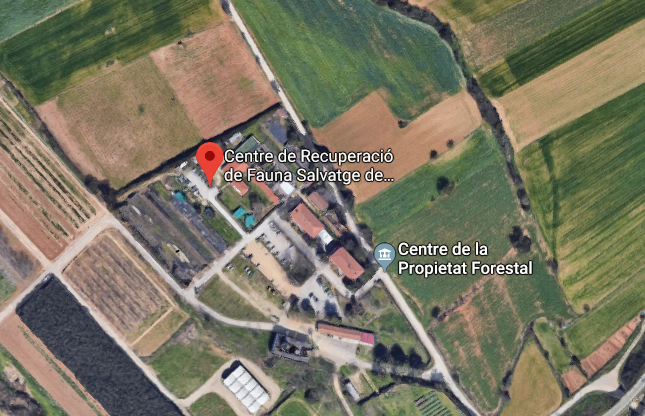
2007- La generalitat de Catalunya i la diputació de Barcelona inicien un programa per la supervivència de l’espècie. El 2007, es porten 20 exemplars al centre de recuperació de fauna salvatge de Torrefusa per estudiar si és factible reproduir-los en captivitat.
Obtenen molt bons resultats, aconseguint un gran nombre d’ous i en total més de 400 exemplars nascuts en captivitat.

Aquaris de Torreferrussa

2010- Els exemplars criats en captivitat es comencen a alliberar.

2013- El Zoo de Barcelona s’uneix al projecte per tal d’augmentar les possibilitats de supervivència de l’espècie.

2015 – 4 institucions: Diputació de Girona, Generalitat de Catalunya, Zoo de Barcelona i Forestal Catalana decideixen idear un nou pla estratègic per la seva conservació. Presenten el projecte a les convocatories life de la UnióEuropea.

2016- El projecte és aprovat per la convocatoria life i es coordinat per la diputació de Barcelona.

2017- El Zoo de Chester, del Regne Unit, es comença a dedicar també a la cria i reproducció d’aquesta espècie en captivitat a partir de 24 exemplars de l’espècie enviats des de el centre de cria de Torreferrusa.

2020 – Fins aquest any el projecte life va promovent accions per assegurar la seva protecció i supervivència. Principalment amb aquests objectius: incrementar la qualitat hidrològica i el cabal dels torrents on viu el tritó; eliminar o reduir les amenaces que actualment hi ha sobre el seu hàbitat; assegurar la conservació genètica de l’espècie i ampliar la seva àrea de distribució; establir una major cobertura legal i aprovar un pla de conservació de l’espècie; incrementar el coneixement científic i requeriments ecològics d’aquest amfibi; i, finalment, implicar i comprometre els agents del territori en la conservació de l’espècie, dels hàbitats de ribera i de la seva biodiversitat.
El projecte life aportarà uns 3 milions d’euros, els quals 400 mil euros aniran destinats al Zoo de Barcelona.

http://lifetritomontseny.eu/es/presentacion

Logo del projecte Life Tritó Montseny

Stop mine-Salau

https://www.stopminesalau.com/

CATALÀ:

En altres posts ja s’ha fet una breu introducció de la problemàtica. Però amb aquesta foto, ens agradaria remarcar que no només és un problema a Catalunya, sinó que França també va creat la seva plataforma per parar la construcció de la mina. Això si, França fa més anys que està ficada en el conflicte. Aquest moviment és el que podem veure representat a la fotografia.

Així doncs, Salau no està sol, cada vegada conta amb més suport, i nosaltres estudiants de la Universitat Autònoma de Barcelona som un d’aquests. Endavant!!

CASTELLANO:

En otros posts ya se ha hecho una breve introducción de la problemática. Pero con esta foto, nos gustaría remarcar que no sólo es un problema en Cataluña, sino que Francia también creado su plataforma para parar la construcción de la mina. Eso si, Francia hace más años que está metida en el conflicto. Este movimiento es el que podemos ver representado en la fotografía.

Así pues, Salau no está solo, cada vez cuenta con más apoyo, y nosotros estudiantes de la Universidad Autónoma de Barcelona somos uno de estos. Adelante !!

ENGLISH:

In other posts a brief introduction of the problem has already been made. But with this photo, we would like to point out that not only is it a problem in Catalonia, but that France also created its platform to stop the construction of the mine. Moreover, France has been in the conflict now for so many years. This movement is what we can see represented in photography.


So, Salau is not alone, every time it has more support, and we, students of the Universitat Autònoma de Barcelona support you!

Una mica d’història de la localitat de la mina de Salau

ENGLISH:

You are seeing the Geological and Mineralogical Chart of the department of Ariège, created in 1870, and which took the first step towards the exploitation of ferruginous minerals in the area. 101 years later, the Salau mine started out promising prosperity and bonanza for the localities. Its life is, however, very short and closes in 1986 for economic reasons. In the 80s, and after threats to local doctors by the authorities if they affirmed cases of patients, common pathologies of asbestos poisoning are detected in some workers.

CATALÀ:

Davant teu tens la Carta Geològica i Mineralógica del departament de l’Arieja, creada el 1870, i que va donar el primer pas cap a l’explotació dels minerals ferruginosos de la zona. 101 anys després, la mina de Salau començava a caminar prometent prosperitat i bonança per a les localitats. La seva vida és, però, molt curta i tanca el 1986 per raons econòmiques. En els anys 80, i després amenaces als metges locals per part de les autoritats si afirmaven casos de malalts, es van detectar en alguns treballadors patologies comuns de la intoxicació amb amiant.

CASTELLANO:

Ante tus ojos tienes la Carta Geológica y Mineralógica del departamento de Ariège, creada en 1870, y que dio el primer paso hacia la explotación de los minerales ferruginosos de la zona. 101 años después, la mina de Salau echaba a andar prometiendo prosperidad y bonanza para las localidades. Su vida es, no obstante, muy corta y echa el cierre en 1986 por razones económicas. En los años 80 , y tras amenazas a los médicos locales por parte de las autoridades si afirmaban casos de enfermos, se detectan en algunos trabajadores patologías comunes de la intoxicación con amianto.

El Tritó del Montseny.


El tritó del Montseny és una espècie endèmica del massís, que està en perill d’extinció degut a la contaminació, a la destrucció i canvis ambientals del habitat produïts per l’activitat humana com és la sobreexplotació dels recursos de la zona, desforestació, substitució d’arbres autòctons per arbres d’interès industrial.

Estudis del 2007 van determinar que només quedaven 1500 exemplars d’aquesta espècie, el qual era un 15 per cent més baix en comparació amb el 1995.
L’espècie es troba actualment en perill d’extinció degut a la gran quantitat d’amenaces que rep el seu hàbitat. Primer de tot, es sobreexplota els recursos de la zona, ja que s’utilitza una elevada quantitat d’aigua dels aqüífers per donar-li usos industrials, juntament amb a la contaminació orgànica de les aigües. Per altre banda s’han talat una gran quantitat d’arbres autòctons, dels quals molts s’han reemplaçat per altres que tenen usos més comercials (com el plataner o el castanyer), aquest fet fa que augmenti la temperatura de la zona i que es perdi el clima humit necessari per la supervivència del tritó.

Al veure aquests fets ell 2007, es van portar 20 exemplars al centre de recuperació de fauna salvatge de Torrefusa per estudiar si era factible reproduir-los en captivitat.

Centre de Recuperació de Fauna Salvatge de Torreferrussa

Van obtenir molt bons resultats així aconseguint un gran nombre d’ous i en total més de 400 exemplars, els quals es van començar a alliberar el 2010.

A part del Centre de Recuperació de Fauna Salvatge de Torreferrussa , el Zoo de Barcelona també s’encarrega del manteniment de l’espècie, reproduint-la i criant-la en captivitat fins que aquesta està preparada per ser alliberada.

El Tritó del Montseny

L’AIGUA POTABLE AL MÓN: comparació de l’índex d’aigua potable amb diversos factors.

CATALÀ

En el món globalitzat on vivim, aproximadament un terç de la població mundial viu en una situació d’escassetat d’aigua.
Hem portat a terme un anàlisi geogràfic de diverses variables econòmiques, climàtiques i de disponibilitat d’aigua potable mitjançant el programari SIG ArcMap i hem pogut visualitzar i comparar variables econòmiques i climàtiques amb la disponibilitat d’aigua potable de cada país. Una de les primeres observacions és que la falta d’aigua potable es concentra als països empobrits, menys desenvolupats, amb l’economia primaritzada i no necessàriament amb una vinculació directa amb un clima desfavorable. El clima desfavorable acompanya a països molt pobres com els subsaharians, però que en països majoritàriament desèrtics i rics com Austràlia no hi podem veure aquesta falta d’aigua potable i això ens porta a la pregunta: Realment hi ha una falta d’aigua potable o és que hi ha una mala distribució del recurs?

CASTELLÀ

En el mundo globalizado donde vivimos, aproximadamente un tercio de la población mundial vive en una situación de escasez de agua.

Hemos llevado a cabo un análisis geográfico de varias variables económicas, climáticas y de disponibilidad de agua potable mediante el software SIG ArcMap y hemos podido visualizar y comparar variables económicas y climáticas con la disponibilidad de agua potable de cada país. Una de las primeras observaciones es que la falta de agua potable se concentra en los países empobrecidos , menos desarrollados, con la economía primarizada y no necesariamente con una vinculación directa con un clima desfavorable. El clima desfavorable acompaña a países muy pobres como los subsaharianos, pero que en países mayoritariamente desérticos y ricos como Australia no podemos ver esta falta de agua potable y esto nos lleva a la pregunta: ¿Realmente hay una falta de agua potable o es que hay una mala distribución del recurso?

ENGLISH

In the globalized world we live in, about one third of the world population lives in a situation of water scarcity.

We have carried out a geographic analysis of various economic, climatic and potable water availability through SIG ArcMap and we have been able to visualiza and compare economic and climatic variables with the availability of drinking water in each country. One of the first observations is that the lack of drinking water is concentrated in poorer, less developed countries, with pirmary economy and not necessary with a direct link with unfavorable weather. The unfavorable weather accompanies very poor countries like Sub-Saharian zones, but in most of the deserted rcich countries like Australia we can not see this lack of drinkable water and this leads us to the question: Is there really a lack of drinkable water or Is there a bad distribution of the resources?.

Relación entre el % de población con acceso al agua potable y el peso de la agricultura en el PIB 2017
Relation between the % of population with access to drinkable water and the importance of agriculture in the GDP 2017
Relación entre el % de población con acceso al agua potable y el clima.
Relation between the % of population with access to drinkable water and the climate.
Relación entre el % de población con acceso al agua potable y el índice de desenvolupamient humano.
Relation between the % of population with access to drinkable water and the human development index.

Relación entre el % de población con acceso al agua potable y el PIB por capita 2017.
Relation between the % of population with access to drinkable water and GDP per capita 2017.
Relación entre el % de población con acceso al agua potable y el PIB (por país) 2017.
Relation between the % of population with access to drinkable water and GDP (per country) 2017.

The reintroduction of the grizzly bear at the Pyrinees

El passat 1 de maig el grup responsable de l’estudi del conflicte de l’ós bru als Pirineus vam anar fins al Pallars per a entrevistar diferents persones que es viuen dia a dia aquest conflicte.

Al matí l’equip vam pujar fins a Boldís Jussà on es troba una plantació d’arbres fruiters que lluita per a la reintegració de l’ós bru. La plantació va a càrrec de “Salvatgines” una empresa especialitzada en l’observació de fauna salvatge i educació ambiental  que fa voluntariats i recaudar doblers a través de la venda de camisetes per ajudar a la causa. Albert Cereza, ambientòleg i membre fundador de Salvatgines, ens va contestar totes les nostres preguntes i vam poder gaudir d’un matí enriquidor rodejats de natura.

Cap al migdia vam tenir el plaer de poder entrevistar a una ramader, Fernando, qui té un petit ramat de vaques i a Xavier Català, una petit ramader que també fa feina a l’administració i pertany a l’associació de pagesos del Pallars, qui ens va donar el seu punt de vista sobre la reincorporació de l’ós i com s’està afrontant des del punt de vista dels pagesos, i que n’opina de la gestió per part de l’Administració.

Posteriorment, a la tarda, el grup vam visitar la Casa de l’Ós a Isil i a Esterris vam poder entrevistar a un agent rural i a un tècnic rural, Xavi i Toni Batet respectivament, que amablement ens van contar en què consisteix la seva feina i com està relacionada amb l’ós bru i ens van respondre tots els nostres dubtes.

____________________________________________________________

El pasado 1 de mayo el grupo responsable del estudio del conflicto del oso pardo en el Pirineo fue hasta Pallars para entrevistar diferentes personas que conviven con el conflicto diariamente.

Por la mañana el equipo subió hasta Boldís Jussà, donde se encuentra una plantación de arboles fruteros a cargo de Salvatgines, una empresa especializada en la observación de la fauna salvaje y la educación ambiental que ofrece voluntariados y recauda dinero a través de la venta de camisetas para ayudar a la causa. Albert Cereza, ambientólogo y miembro fundador de Salvatgines, les contestó a todas las preguntas que le hicieron y pudieron disfrutar de una mañana enriquecedora rodeados de naturaleza.

Hacia el mediodía tuvieron el placer de poder entrevistar un ganadero llamado Fernando, que tiene un pequeño rebaño de vacas, y a Xavier Català, un pequeño ganadero que también trabaja para la Administración, y además pertenece a la asociación de campesinos del Pallars, que les dio su punto de vista sobre la reintroducción del oso y como se está afrontando desde el punto de vista de los afectados, y que opina sobre la gestión por parte de la Administración.

Por la tarde, el grupo visitó la casa del oso y en Isil y en Esterris pudieron entrevistar a Xavi i Toni Batet, un agente rural y un técnico rural respectivamente, que amablemente les contaron en que consiste su trabajo, como se relaciona este con el oso pardo y les respondieron sus dudas.

____________________________________________________________

Last 1th of May, the group responsible of the study of the conflict of the grizzly bear at the Pyrenees went to the Pallars to interview different people that live this conflict on a day to day basis.

In the morning they climbed to Boldís Jussà where a fruit tree plantation that fights for the preservation of the grizzly can be found. The plantation is in charge of “Salvatgines” a company specialized in the observation of the wildlife and environmental education that offers volunteering projects and sells T-shirts to help the cause. Albert Cereza, environmentalist and founding member of Salvatgines, answered all the questions they asked, and they could enjoy an enriching morning surrounded by nature.

At noon they got the pleasure to interview a local rancher, Fernando, who has a little herd of cows, and also Xavier Català, another rancher who also works for the Administration and also is a member of the farmer association of Pallars, who gave them his point of view about the reincorporation of the grizzly and how it is being faced from the farmer point of view, and also what’s the opinion of the Administration.

Later, in the afternoon, they visited “Casa de l’Ós” (the house of the bear), and in Isil and Esterris they could interview a rural agent and a rural technician, Xavi and Toni Batet respectively, who, kindly told them what’s their job like and how it is related to the grizzly bear and clarified all their doubts.

SALVEM SALAU

Salvem Salau és una plataforma que té com a objectiu la preservació d’una de les valls més ben conservades dels Pirineus. La seva riquesa a nivell biològic, geològic, ecològic, paisatgístic i cultural, fan de la vall de Bonabé i Salau un espai únic que cal protegir, tal com ho demostren les nombroses figures de protecció de que disposa: Zona PEIN, Xarxa Natura 2000, Parc Natural de l’Alt Pirineu i Reserva Nacional de Caça. A més la Noguera Pallaresa, l´eix fluvial de la vall, està declarat Reserva Natural Parcial. Aquesta zona constitueix l’hàbitat de nombroses espècies de fauna protegides com l´ós bru, el trencalòs, la perdiu blanca, la llúdriga, l’almesquera i el gall fer entre d’altres, així com de flora, com la flor de neu (Leontopodium alpinum) o l’Arabis soyeri.
Actualment l’empresa Neometal Spania SL, una filial de la multinacional australiana Apollo Minerals Limited, ha obert un projecte d’investigació minera per a cercar or i wolframi a la Vall de Bonabé. Per aquesta raó la ciutadania s’ha mobilitzat creant una plataforma en contra de l’obertura d’aquesta mina.

Des del grau de Ciències Ambientals de la UAB, us donem suport! Endavant!!

Salvem Salau is a platform whose objective is to preserve one of the best preserved valleys in the Pyrenees. Its richness at the biological, geological, ecological, landscape and cultural level make the Bonabé and Salau valley a unique space that must be protected, as evidenced by the numerous protection figures available: PEIN Zone, Natura 2000 Network, Alt Pirineu Natural Park and National Hunting Reserve. In addition, Noguera Pallaresa, the valley’s river area, is declared a Partial Natural Reserve. This area constitutes the habitat of numerous species of protected fauna such as the brown bear, the bearded vulture, the white partridge, the otter, the almesquera and the rooster, among others, as well as the flora, such as the snow flower (Leontopodium alpinum) or Arabis soyeri.
At present, the company Neometal Spania SL, a subsidiary of the Australian multinational Apollo Minerals Limited, has opened a mining research project to search for gold and tungsten in the Bonabé Valley. That is why citizens have started to mobilize by creating a platform against the opening of this mine.


From the degree of Environmental Sciences of UAB, we support you!!